
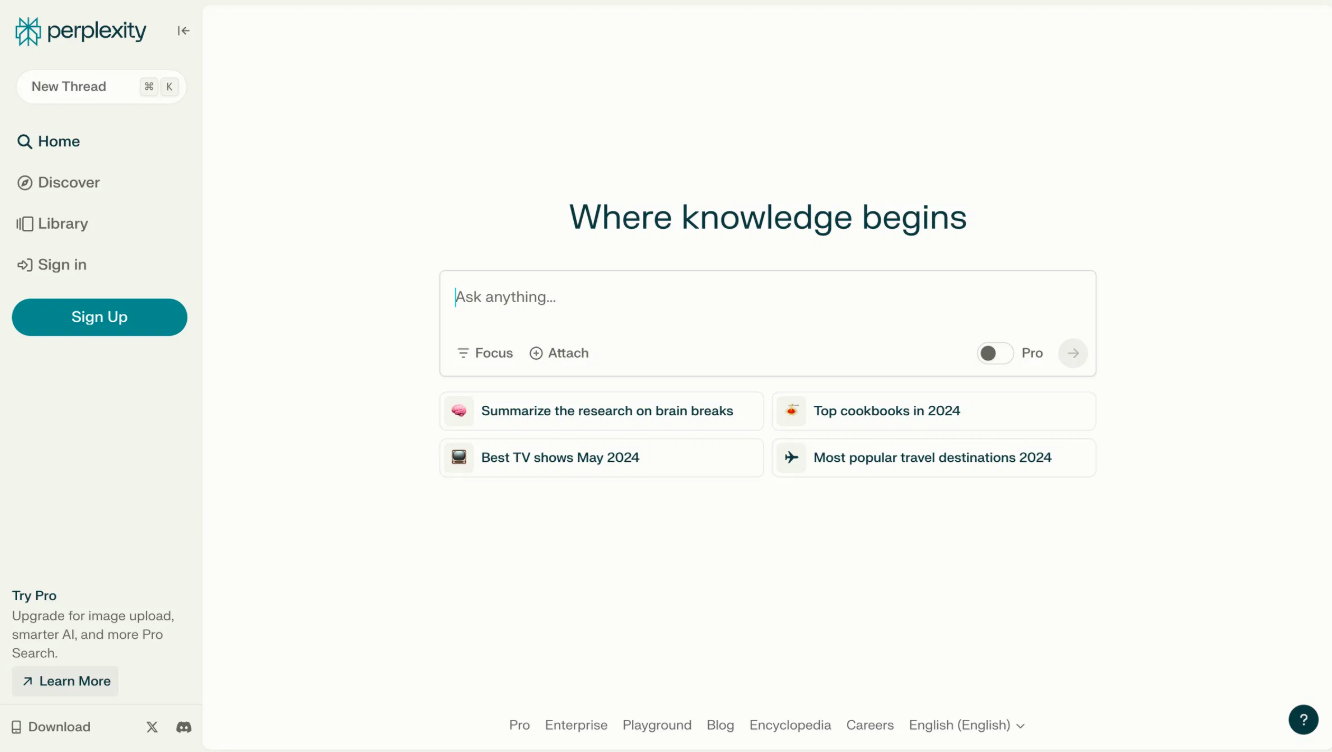
Search is changing faster than ever. Traditional SEO focused on ranking blue links, optimizing keywords, and earning backlinks. Today, AI-powered search engines are transforming how users discover information. Instead of scrolling through pages of results, people are getting direct, AI-generated answers pulled from multiple sources across the web.
This shift has given rise to AI Search and Generative Engine Optimization (GEO). These concepts represent the next evolution of SEO, where content must be optimized not just for rankings, but for visibility inside AI-generated responses.
In this guide, you’ll learn what AI Search and GEO are, how they differ from traditional SEO, and how to optimize your content to rank, build authority, and generate high-quality leads in the age of generative search.
What Is AI Search?
AI Search refers to search experiences powered by artificial intelligence models that understand context, intent, and natural language. Instead of simply matching keywords, these systems analyze meaning, relationships, and credibility to generate answers.
AI Search platforms synthesize information from multiple sources and present it as a summarized response. Users often get what they need without clicking a traditional search result.
Key characteristics of AI Search
Conversational, natural language responses
Fewer visible links and more summarized answers
Heavy reliance on authoritative and structured content
Emphasis on topical depth and clarity
For businesses, this means ranking alone is no longer enough. Your content must be understandable, trustworthy, and quotable by AI systems.
What Is Generative Engine Optimization (GEO)?
Generative Engine Optimization (GEO) is the practice of optimizing content so it can be used, cited, or referenced by AI-driven search engines in their generated responses.
Unlike traditional SEO, which focuses on ranking pages, GEO focuses on being selected as a source.
If AI Search is the new interface, GEO is the strategy that ensures your content is part of the answer.
How GEO differs from traditional SEO
Traditional SEO focuses on
Keyword placement
Backlinks
Page rankings
GEO focuses on
Semantic clarity
Structured information
Entity relationships
Authoritative topical coverage
GEO does not replace SEO. It builds on it. Strong SEO fundamentals are still essential, but GEO adds an additional optimization layer designed for AI interpretation.
Why AI Search and GEO Matter for Lead Generation
AI Search dramatically shortens the customer journey. Users ask more specific questions and receive more complete answers instantly. If your brand is included in those answers, you gain high-intent visibility.
Benefits of optimizing for AI Search
Increased brand authority and trust
Visibility earlier in the buying journey
Higher-quality inbound leads
Reduced reliance on paid traffic
When AI cites or references your content, users perceive your brand as an expert. This authority directly impacts conversion rates, especially for SaaS, B2B, and service-based businesses.
How AI Search Engines Choose Content
AI-driven search systems prioritize content that is easy to understand, factually accurate, and well-structured.
Core selection factors
Clear answers to specific questions
Consistent topical coverage
Strong entity signals
Demonstrated expertise and credibility
Updated, relevant information
Content that rambles, lacks focus, or relies on shallow keyword usage is less likely to be selected.
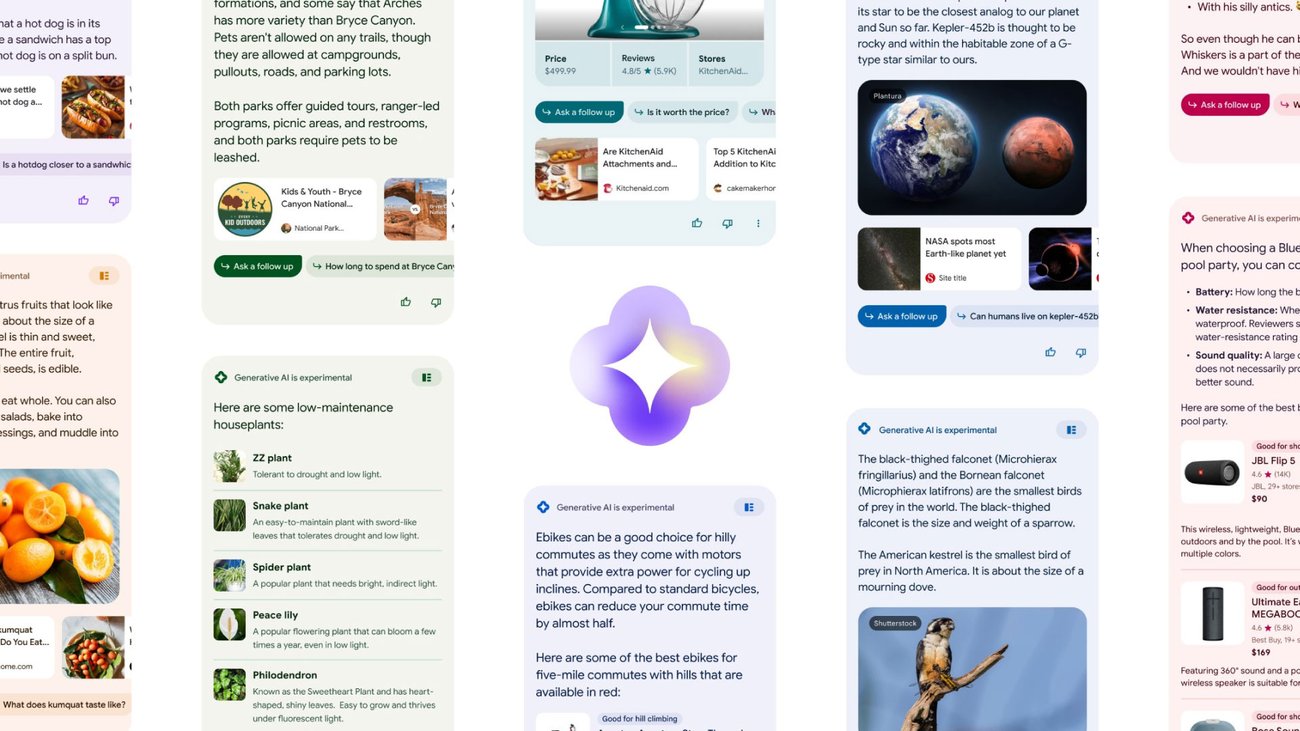

How to Optimize Content for AI Search and GEO
Optimize for search intent, not just keywords
AI Search is intent-driven. Your content should answer why, how, and what questions clearly.
Instead of targeting a single keyword, structure content around complete topics and subtopics. Anticipate follow-up questions and answer them within the same article.
Write clear, concise answers
AI models extract answers from content. Use direct language and short paragraphs. Place key answers near the top of relevant sections.
Best practices include
Defining concepts in the first sentence
Using bullet points for clarity
Avoiding fluff and filler
Build topical authority
Topical authority signals that your site is a reliable source. This requires more than one article.
Create supporting content such as
Beginner guides
Advanced tutorials
Comparisons and use cases
Industry insights
Interlink these pieces to reinforce your expertise.
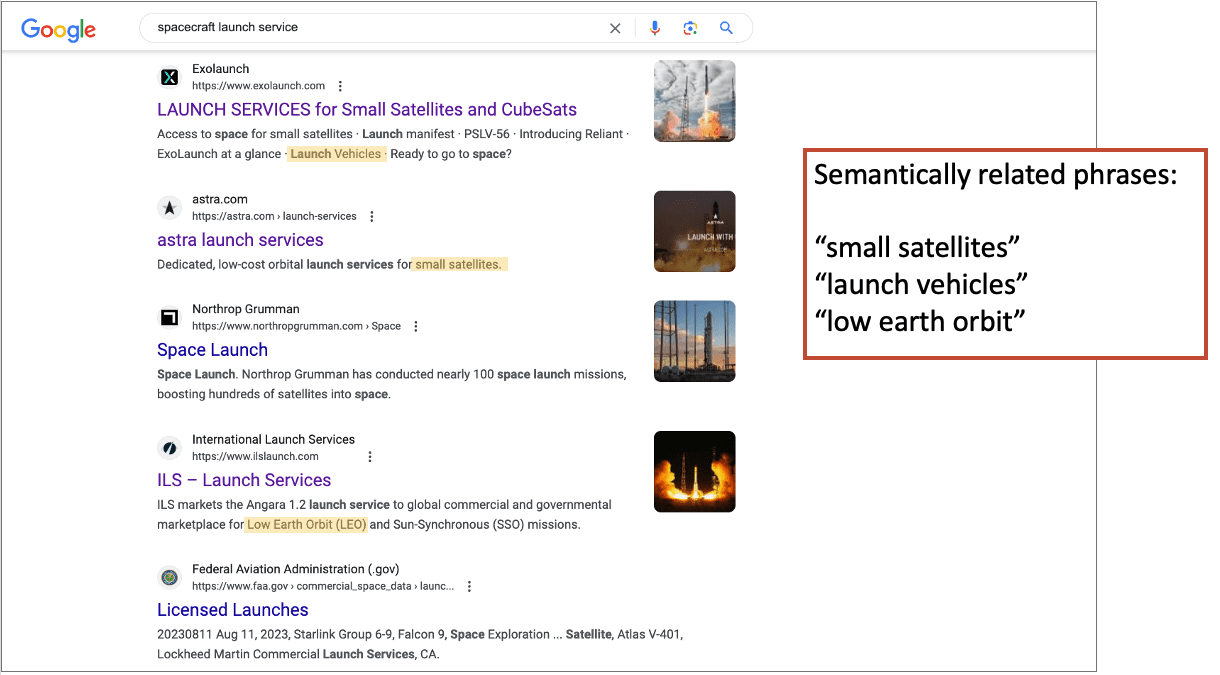
Use semantic keywords and entities
AI Search relies heavily on semantic understanding. Use related terms naturally throughout your content.
For AI Search and GEO, semantic relevance matters more than exact-match repetition. This improves both traditional rankings and AI visibility.
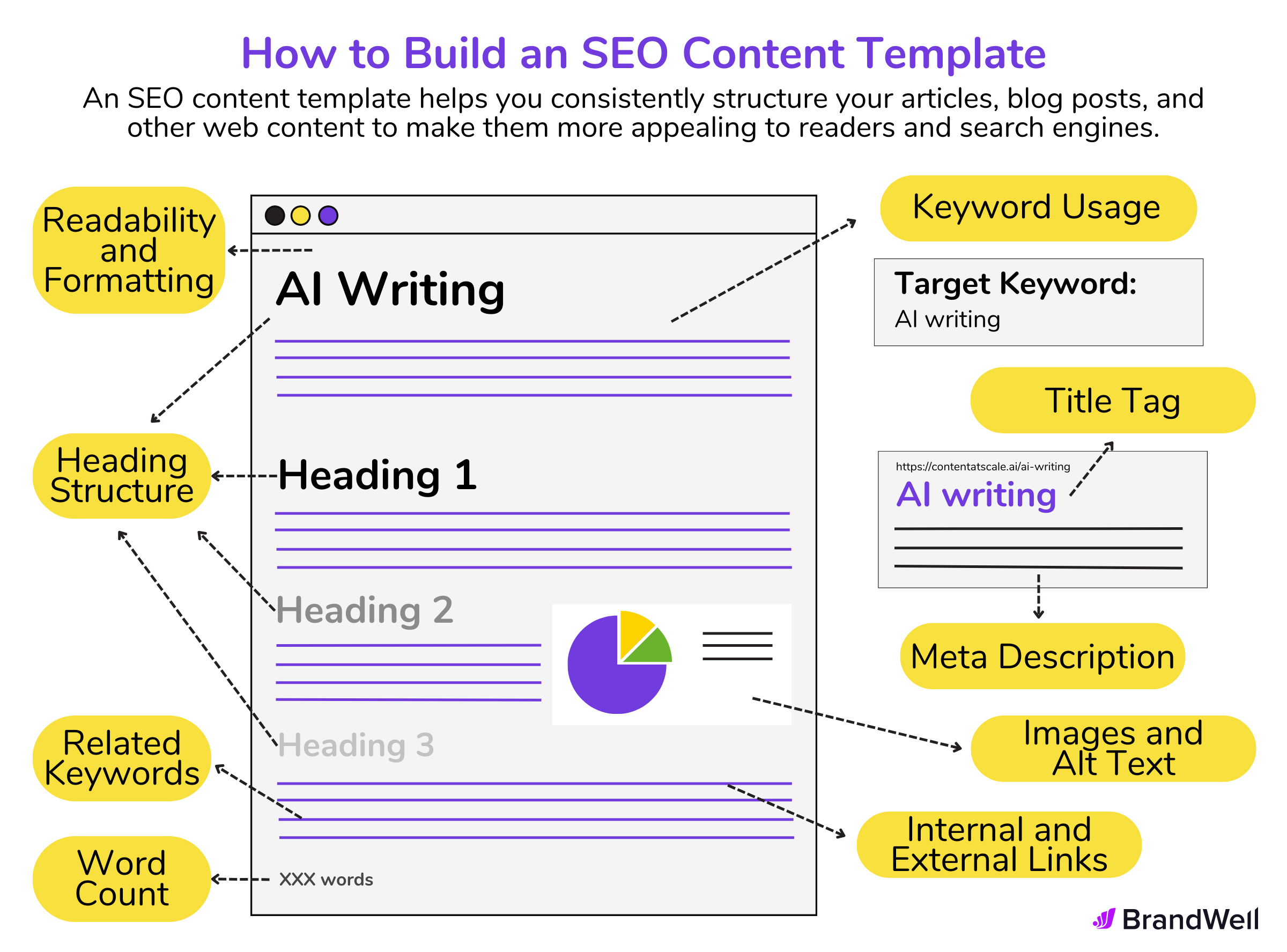
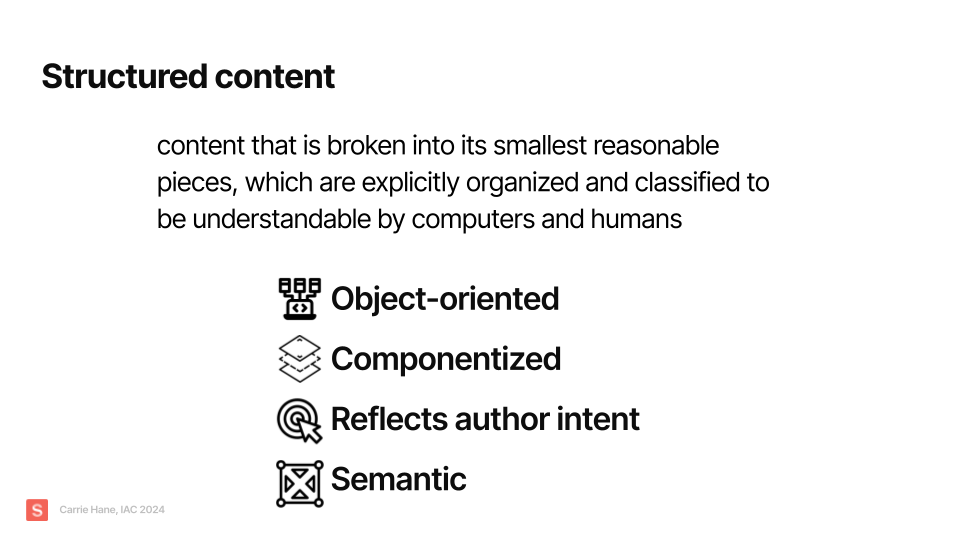
Structure content for machine readability
Well-structured content is easier for AI to parse.
Use
Logical H2 and H3 headings
Lists and bullet points
Clear section introductions
Avoid burying important information in long blocks of text.
GEO Content Strategy for Sustainable SEO Growth
Create pillar content
Pillar pages act as authoritative resources on a core topic, such as AI Search or GEO. These pages should be comprehensive, regularly updated, and supported by internal links.
Refresh and update content regularly
AI Search prioritizes freshness for evolving topics. Update statistics, examples, and best practices frequently to maintain relevance.
Demonstrate expertise and trust
Publish content written by subject-matter experts. Include real-world examples, frameworks, and actionable advice.
Trust signals matter more than ever in AI-driven search.
Measuring Success in AI Search Optimization
Traditional SEO metrics still apply, but new signals are emerging.
Key indicators include
Increased branded search volume
Growth in organic leads
Improved engagement metrics
Mentions in AI-generated responses
As AI Search evolves, attribution may become less transparent. Focus on overall demand growth, not just clicks.
Common Mistakes to Avoid
Writing vague, generic content
Over-optimizing keywords
Ignoring content structure
Failing to update older articles
Treating GEO as separate from SEO
The most successful strategies combine strong SEO fundamentals with GEO-specific optimization.
The Future of SEO Is AI-First
AI Search and Generative Engine Optimization are not trends. They represent a permanent shift in how search works.
Brands that adapt early will gain a significant advantage. Those who rely solely on outdated SEO tactics risk losing visibility as AI-generated answers replace traditional results.
The future belongs to content that is clear, authoritative, and genuinely helpful.
Conclusion
AI Search and GEO are redefining what it means to rank. Visibility is no longer just about position, but about inclusion. By optimizing for AI-driven search engines, you can increase authority, reach high-intent users, and generate more qualified leads.
The key is to focus on clarity, depth, and trust. When your content truly answers user questions, both humans and AI will reward it.
Want to future-proof your SEO strategy and start ranking in AI-powered search results? Contact us today to build a GEO-driven content strategy that attracts traffic, authority, and leads.
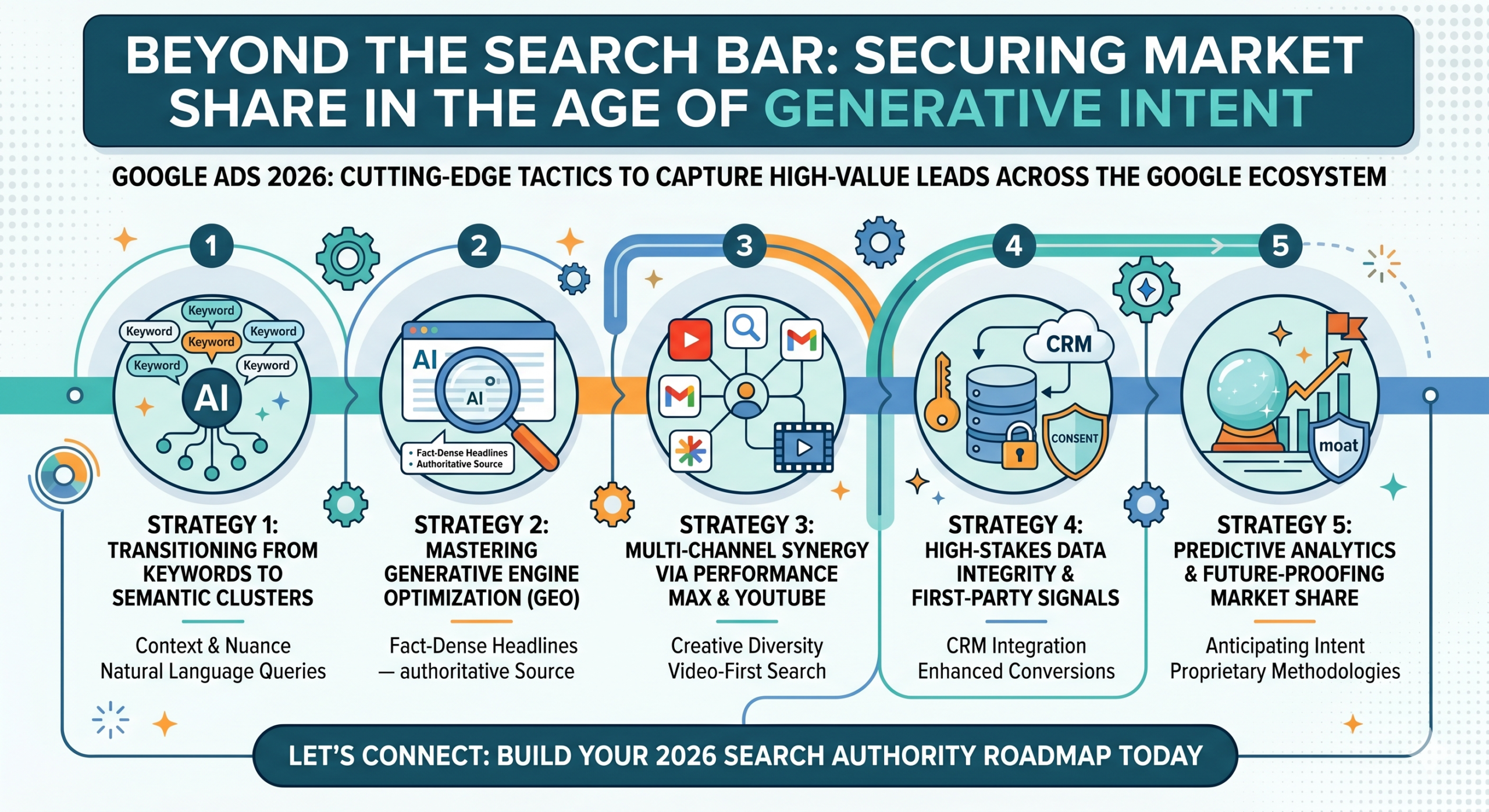
Beyond the Search Bar: Securing Market Share in the Age of Generative Intent

The Resilience Protocol: Navigating the 2026 Core Algorithm Shift