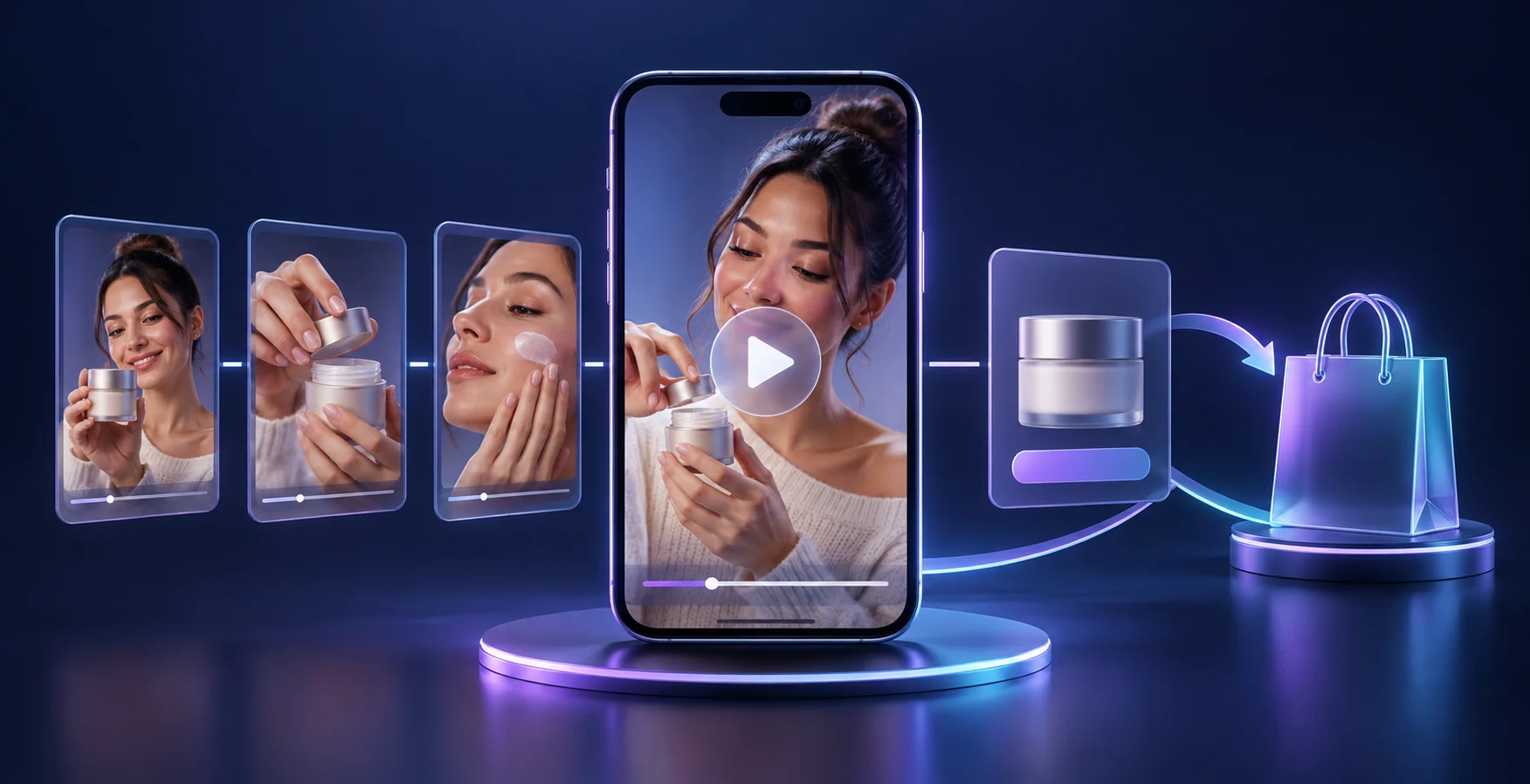
Quick answer: Short-form authority comes from repeatedly solving a recognizable audience problem. AI can help locate footage and draft supporting material, while clear demonstrations and relevant next steps make the videos useful.
Create a series around a real question
Choose a subject the team can explain with evidence: a common mistake, a practical comparison or a short demonstration. Let the opening state the question or show the result being explained. A sensational hook that the rest of the video cannot support may attract attention while weakening trust.
Design for understanding on a small screen
Use readable framing, focused narration and captions that preserve meaning. Leave enough time to understand the key step. W3C’s media guidance explains captions as access to spoken and relevant audio information. Do not obscure the demonstration with text, and check names, numbers and technical terms after automatic transcription.
Use AI to find candidate moments
Use an approved transcript to ask AI for short excerpts, possible titles and a draft shot list. The editor checks the original recording so an excerpt does not reverse the meaning or lose an important qualification. Preserve permissions and source files with the asset. Google’s December 2025 video-verification update also explains one provenance check for Google AI-generated video; it cannot establish the origin of every video or prove a claim is true.
Judge the series rather than one lucky upload
For a hypothetical consulting team, publish a small set answering related client questions and direct interested viewers to a useful guide. Compare retention, relevant comments, guide visits and qualified inquiries. Record topic and production effort. Use what viewers ask next to choose the next recording rather than treating views as proof of market authority.
A practical scorecard
Frequently asked questions
How long should a short video be?
Use the time needed to answer the chosen question clearly within the destination’s supported format.
Can an AI-selected clip distort meaning?
Yes. Check the full context and preserve material qualifications.
Is a viral upload a repeatable strategy?
One result does not establish repeatability. Review a series and its audience fit.
Should captions be reviewed?
Yes. Inspect accuracy, timing, readability and any specialized terminology.
What should viewers do next?
Offer a relevant guide, demonstration or contact route that continues the topic.
Sources and useful business resources
Put the idea into practice
Explore AI Content & Search. For help applying this approach to your current workflow, request a free consultation.